


The Jio IPO is one of the most awaited public market events in India. In June 2026, Jio Platforms Limited (JPL), a digital and telecommunications company of the Reliance group, submitted its Draft Red Herring Prospectus (DRHP) to the Securities and Exchange Board of India (SEBI). The IPO is a fresh issue of up to 27 crore equity shares, the proceeds from which will be used largely for debt repayment and general corporate purposes.
The IPO would add a big telecom and digital-services company to the listed universe for investors following the primary market. But its importance must be evaluated based on the performance of its business, valuation, use of proceeds, and risks.
What Is the Jio IPO?
Jio Platforms is a division of Reliance that houses the company's digital and telecom businesses, such as mobile connectivity, broadband, digital applications, enterprise services, and other technology businesses.
It has filed a DRHP on June 19, 2026, for a fresh issue of up to 27 crore equity shares. There is no offer for sale by existing shareholders included in the document.
A portion of the proceeds up to ₹27,500 crore is suggested to be dedicated to the repayment or prepayment of borrowings of Reliance Jio Infocomm Limited. The remainder is suggested for general corporate uses.
Final offer documents and regulatory process will determine the final issue price, size, and other details.
Why Is the Jio IPO Significant?
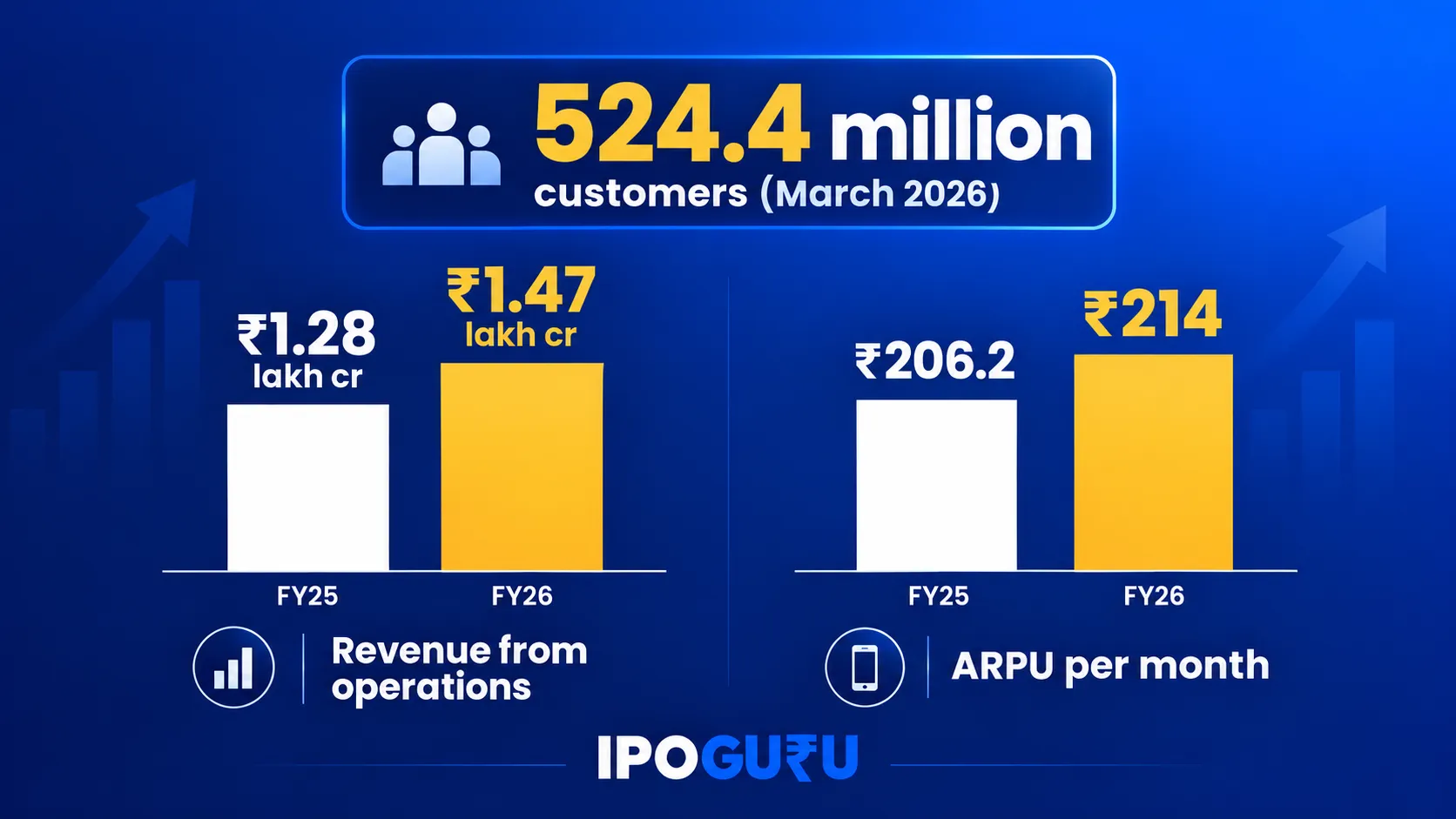
Jio has already acquired a large user base and created a wide digital ecosystem. In March 2026, Jio Platforms had a customer base of 524.4 million.
Revenue from operations stood at around ₹1.47 lakh crore for FY26 as compared to around ₹1.28 lakh crore in FY25. The average revenue per user (ARPU) also rose to ₹214 per month in FY26 from ₹206.2 in FY25.
The numbers reflect the size of the business, but size is not a measure of IPO performance. Valuation, profitability, cash flows, competition, capital requirements, and business risks are other factors that investors should consider.
What Could the IPO Proceeds Mean for Jio?
The proposed use of up to ₹27,500 crore for repayment or prepayment of borrowings is an important part of the IPO structure.
The repayment of debt can change the company's financial makeup, and can impact future interest payments. The company would receive the capital raised, subject to issue expenses and the objects of the issue as stated in the prospectus, as it is a fresh issue.
Investors can thus check if the intended use of funds is in line with Jio's financial standing and future business needs.
Jio's Business Performance Before the IPO
As of March 2026, Jio Platforms had 524.4 million customers. Revenue from operations rose 14.6% YoY to around ₹1.47 lakh crore in FY26.
The subscriber growth and customer monetisation are crucial metrics to monitor, as ARPU rose from ₹206.2 in FY25 to ₹214 in FY26.
But individual numbers cannot tell the whole story. Investors who are looking at the IPO can also check out profitability, cash flows, borrowings, capital expenditure, and subscriber trends over various periods.
In addition, risks associated with cybersecurity and data privacy, reliance on infrastructure providers, indebtedness, and ongoing capital expenditure needs are also highlighted in the DRHP.
What Could a Jio Listing Mean for Investors?
A separate listing would offer more transparency in the market valuation of Jio Platforms and enable investors to monitor its performance separately from the public markets.
It may also give more direct exposure to Jio Platforms than exposure through Reliance Industries.
Once listed, the share price would be influenced by market demand and supply, company results, business developments, industry conditions, and broader market sentiment. The final market value would be influenced by various factors such as the IPO price, number of shares issued, and trading volume.
What Should Investors Look At Before the Jio IPO?
1. IPO Price and Valuation
The final issue price will be a key consideration. Investors can check the valuation parameters given in the offer documents and can compare them with those of listed companies.
2. Financial Performance
Revenue is just one of the financial metrics. Analyse profitability, EBITDA, PAT, cash flows, borrowings, and capital expenditure over a number of periods.
3. Subscriber Base and ARPU
Subscribers and ARPU are helpful metrics for a telecom business to measure customer size and monetisation. A time series can provide more context than one year's number.
4. Use of IPO Proceeds
The proposed debt repayment/prepayment of ₹27,500 crore is an important component of the offer. The offer documents disclose the amount of the borrowings and the company's financial position.
5. Risk Factors
The DRHP details risks related to cybersecurity, data privacy, infrastructure dependencies, indebtedness, and capital expenditure. These should be taken into account with the financial & operational data of the company.
When Could the Jio IPO Launch?
The DRHP for Jio Platforms was filed in June 2026, and Reliance Industries got an observation letter in August 2026.
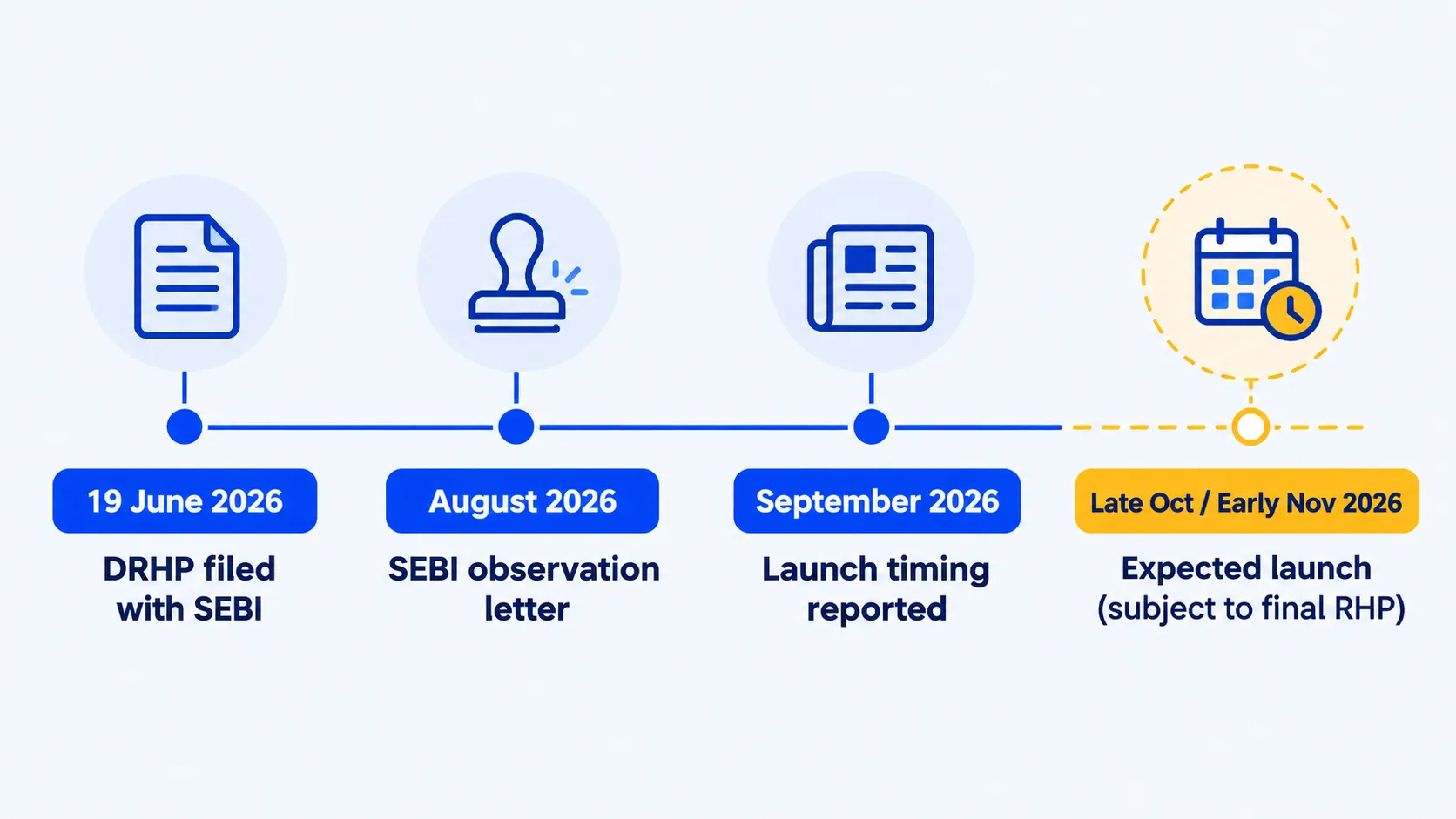
In September 2026, it was reported that it might launch in late October or early November. But the final IPO dates, issue price, and other information are subject to final official offer documents and the regulatory process.
Investors should rely on the final IPO announcement, prospectus, and exchange disclosures for confirmed information.
Jio IPO vs Other Upcoming IPOs
The Jio IPO can be compared to other IPOs that are currently available in the primary market. But size and popularity do not necessarily mean everything when it comes to IPOs.
Each company is in a different business, has a different financial structure and business risk.
When investing in an IPO, investors can compare the following factors:
- Issue size
- Fresh issue and offer-for-sale components
- Valuation
- Revenue and profit growth
- Debt levels
- Use of proceeds
- Industry outlook
- Competitive position
- Key risk factors
This approach can help put a large IPO such as Jio's into context alongside other public issues.
Final Takeaway
The Jio IPO may introduce one of India's biggest telecom and digital-services firms to the listed market. The proposed fresh issue is up to 27 crore shares, with up to ₹27,500 crore intended for repayment or prepayment of certain borrowings.
The main points for investors to look at are the final IPO price, valuation, financial performance, subscriber growth, ARPU, use of proceeds, and disclosed risks. Taking the time to look at these factors with the final offer paperwork can give a more comprehensive picture of the IPO prior to making an investment decision.